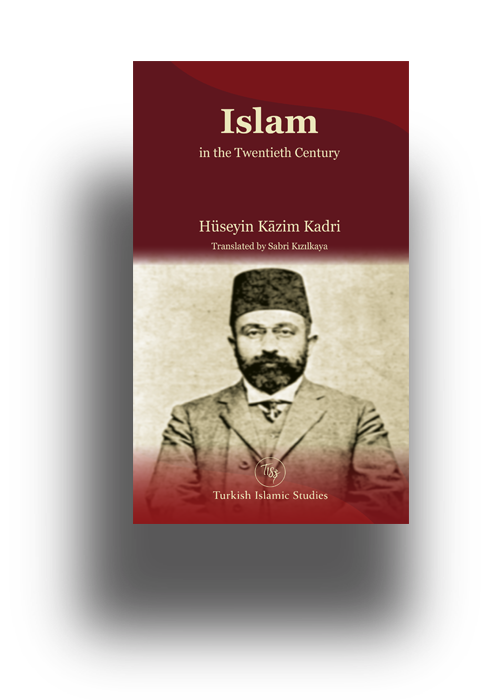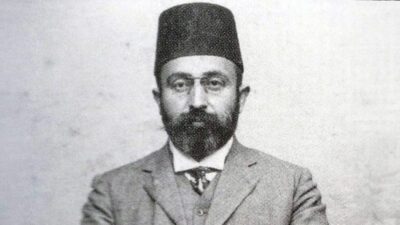
Hüseyin Kāzim Kadri
(1286/1870–17 January 1934)
Hüseyin Kāzim Kadri was born in Beylerbeyi, Istanbul, in 1870. He was the son of Kadri Bey (1843–1903), governor
of Trabzon. He received his early education at the Beylerbeyi Sibyān Mektebi, Soğukçeşme Military Rüşdiye, and the civil branch of the Mülkiye Mektebi. He later attended the İzmir English Commercial School (İzmir İngiliz Ticaret Mektebi), from which he graduated. In addition, he studied Arabic and Persian privately. He began his career as a clerk in the provincial war office (1303/1886).Subsequently, he served in the Ministry of Finance (Maliye Nezareti) and later at the Ministry of Foreign Affairs (Hariciye Nezareti), in the Umûr-ı Şehbenderî Kalemi. At the Dārüşşafaka school,he taught cosmography without remuneration. During the reign of Sultan Abdülhamid II, he attempted to emigrate to New Zealand but was unable to do so.During the Second Constitutional Period, together with his friends Tevfik Fikret and Hüseyin Cahit, he published the newspaper Tanīn. As a member of the Committee of Union
and Progress (İttihād ve Terakkī Cemiyeti), he held various administrative posts: Mutasarrıf of Serez (1325/1909),
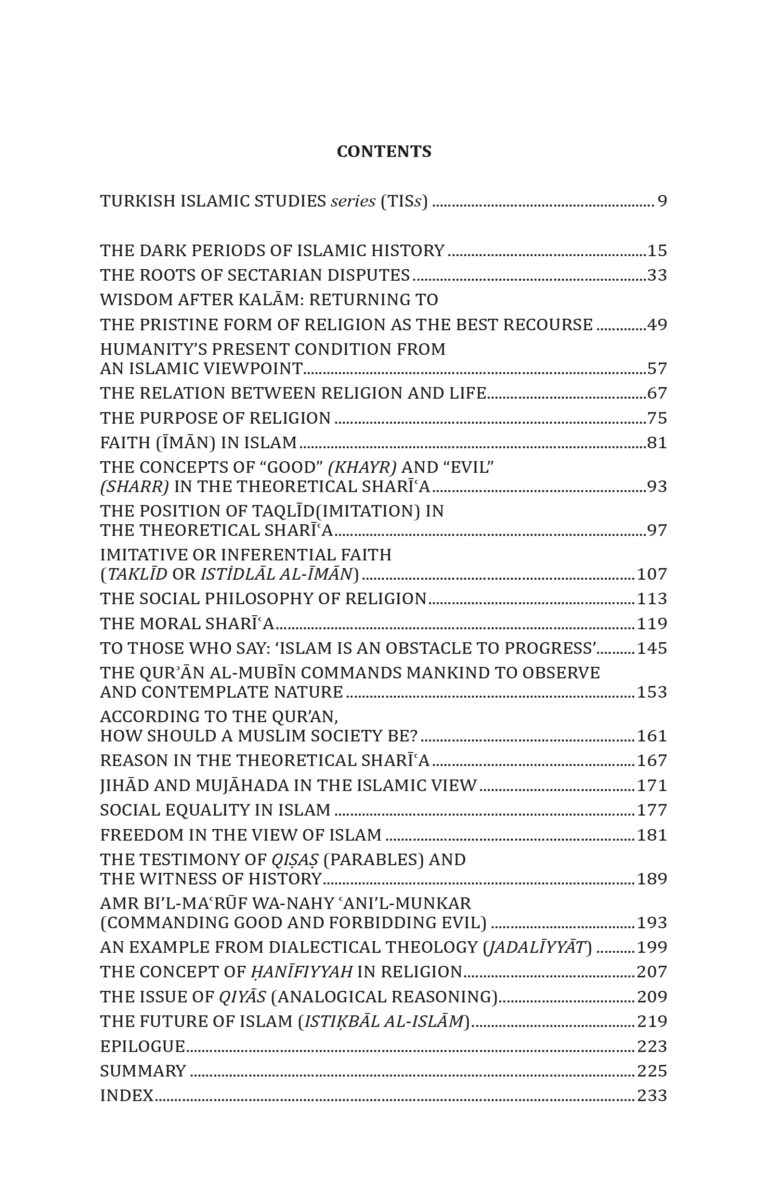
governor of Aleppo (1326/1910), mayor of Istanbul (1327/1911), governor of Istanbul (vali), governor of Salonica (1911). In 1912 he was elected deputy of Manisa in the Ottoman parliament.Although not strictly aligned with the Unionists, he was dismissed from his post and in 1913 went to Beirut. After the Great War, he returned to Istanbul and was re-elected deputy of Aydın. In the Chamber of Deputies (Meclis-i Meb‘ūsān), he supported the Mīṣāk-ı Millī. After the occupation of Istanbul, he accompanied Tevfik Pasha’s delegation to the Peace Conference. He also participated in Mustafa Kemal’s Ankara movement as a member of various committees, including the Ministry of Agriculture and the Ministry of Justice (1920).Later he became head of the Ministry of Awqāf and Deputy Minister of Finance (1921). He resigned from all duties in 1921 and withdrew to his mansion in Beylerbeyi. He later engaged in commerce, banking, and insurance. He passed away in Tarsus on 17 January 1934. He was buried in Beylerbeyi Küplüce Cemetery.Known in his works by the pseudonym Shaykh Muḥsin-i Fānī, Hüseyin Kāẓım Kadri was distinguished by the strength of his intellectual and scholarly character. He wrote numerous articles and published books on language, religion, philosophy, economics,agriculture, and politics in journals and newspapers such as Trabzon Vilayet Gazetesi, Resimli Kitap, Saʿādet, Tan, Yeni Asır, Taṣvīr-i Efkār, Vakit, Maʿlūmāt, Tanin, İkdam, İctihād, Servet-i Fünūn, and Sebīlürreşād.Although he maintained a conservative attitude in cultural matters, he adopted a modernist approach in religious thought. Seeking to enable Muslims to comprehend Islam correctly and to deliver them from stagnation, he emphasized turning to the spirit (rūḥ) of the Qurʾān rather than being confined to literal interpretations.His library was donated to the Selimağa Library in Üsküdar.